How Regular Crane Inspections Reduce Workplace Accidents
Load-bearing parts fail first. Scheduled inspections catch stretched ropes and cracked hooks before a load drops.

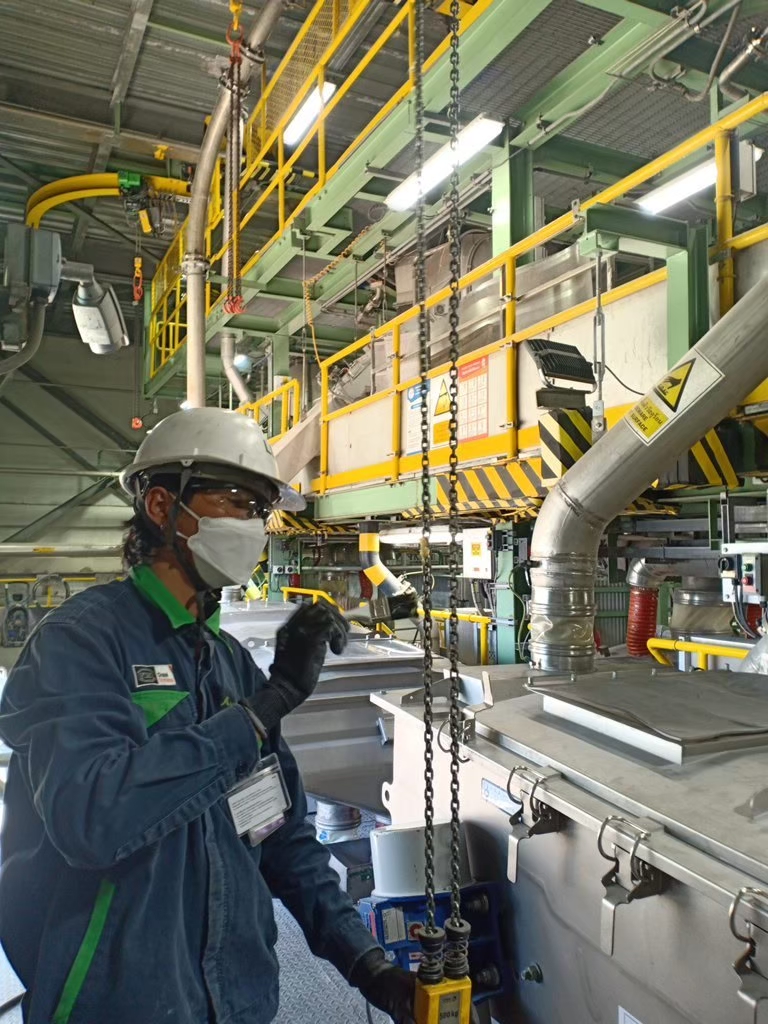
Load-bearing parts fail first. Scheduled inspections catch stretched ropes and cracked hooks before a load drops.
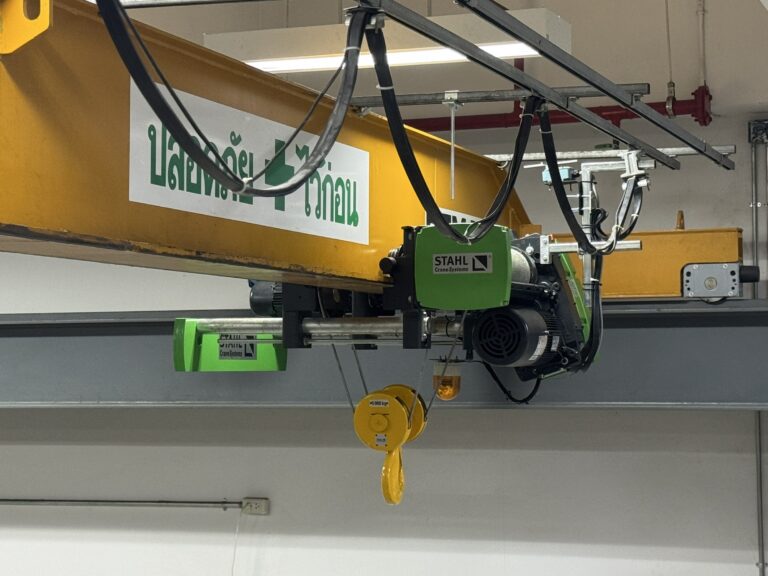
For European manufacturers, premium crane hoists are not a luxury but a commitment to employee safety, business continuity and long-term value.
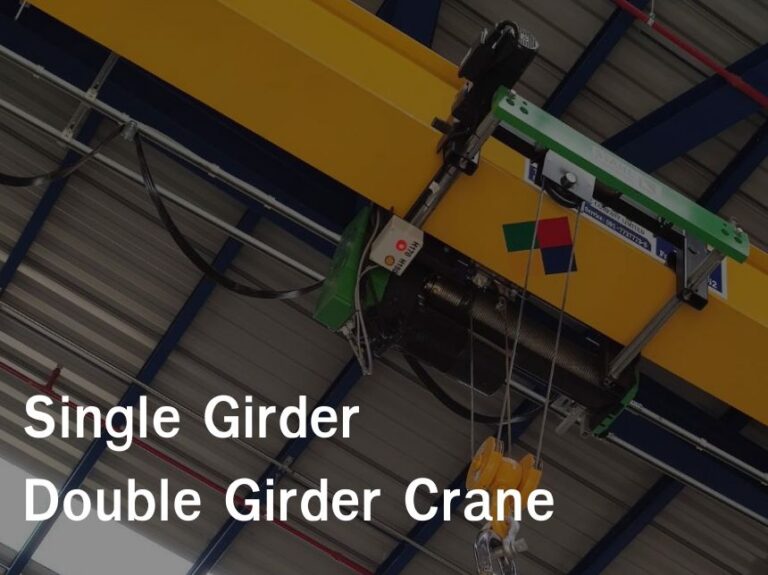
Single girder suits loads up to 20 t on shorter spans; double girder suits heavy loads, wide spans and continuous duty. Compare specs and follow a five-step guide.
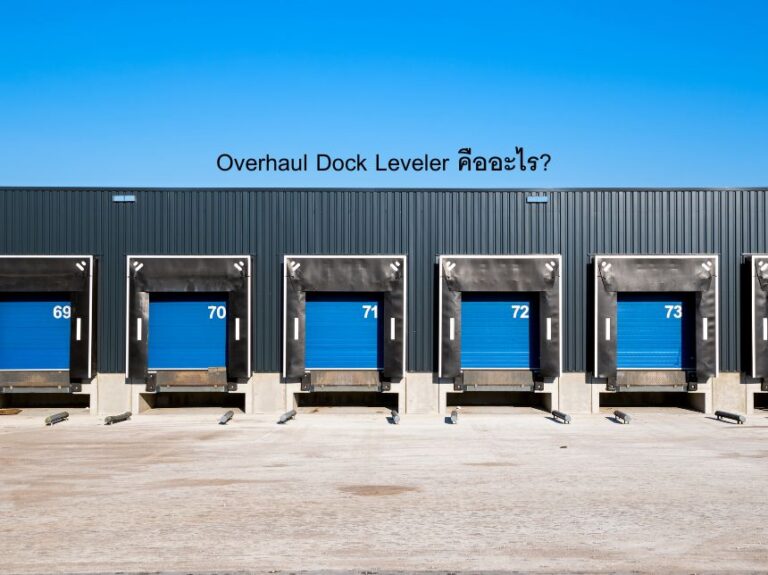
For a 5-10-year-old dock leveler with a sound structure but worn systems, an overhaul usually beats replacement. Here are the signs, steps and numbers.
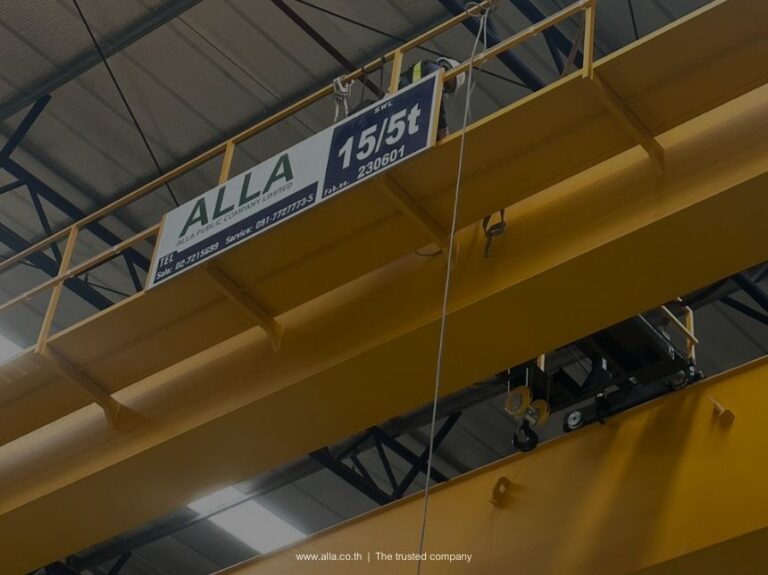
Understand the three axes, know the four main crane types and choose with three criteria: capacity, space and duty class.
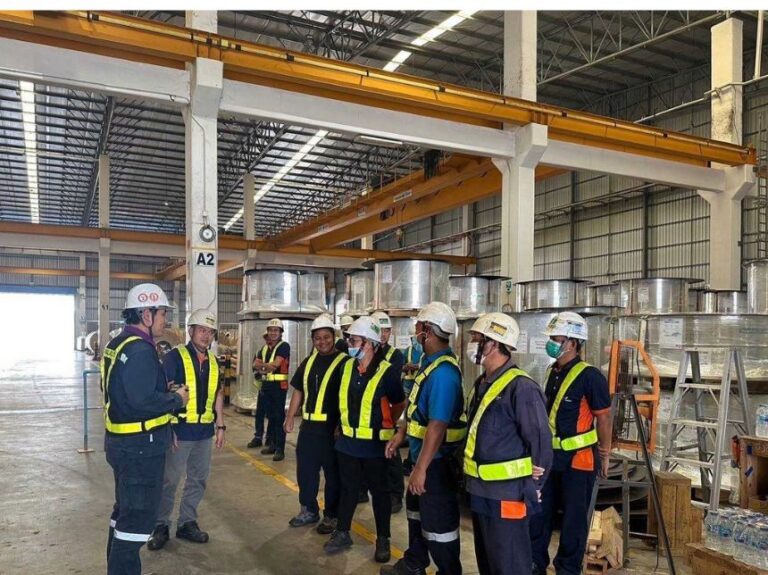
Complacency is the hidden risk in crane work. Annual retraining refreshes safe practice and keeps operators compliant with current rules.
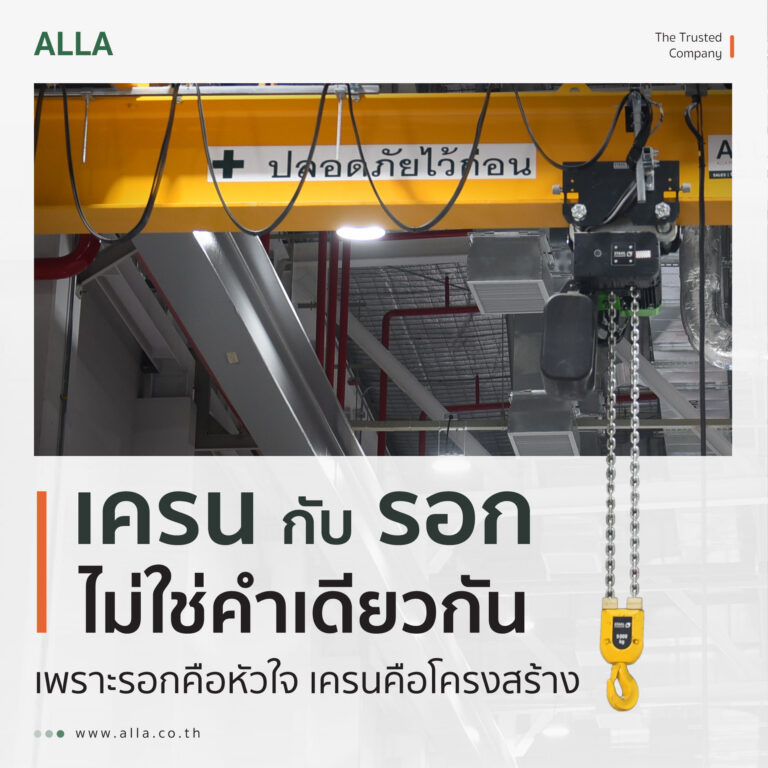
In simple terms, a hoist lifts and a crane lifts and moves. Getting the distinction right prevents costly equipment mistakes.
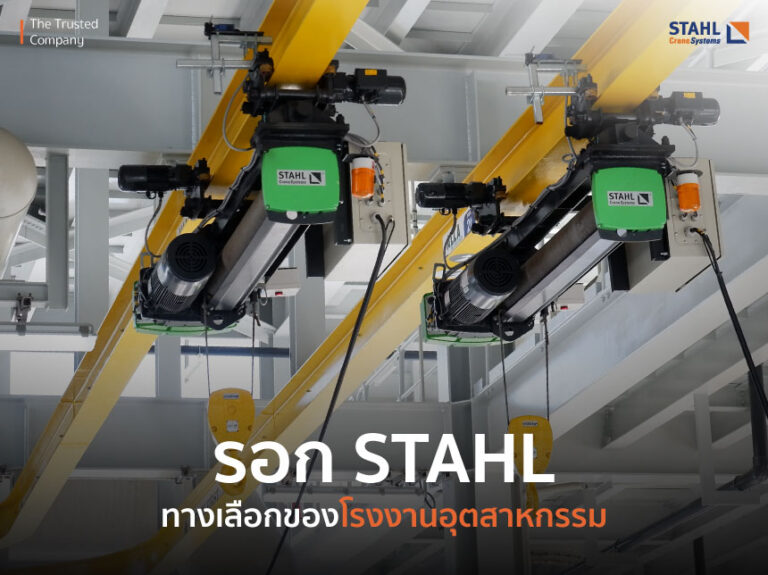
Leading factories choose STAHL for global safety standards, precision lifting and low total cost of ownership.
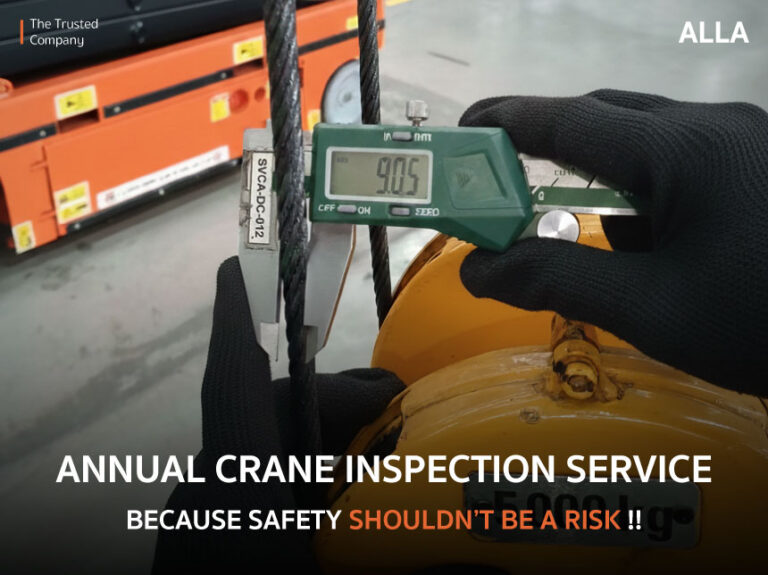
An uninspected crane is a hidden risk. Annual inspection prevents accidents, supports audits and reduces downtime.
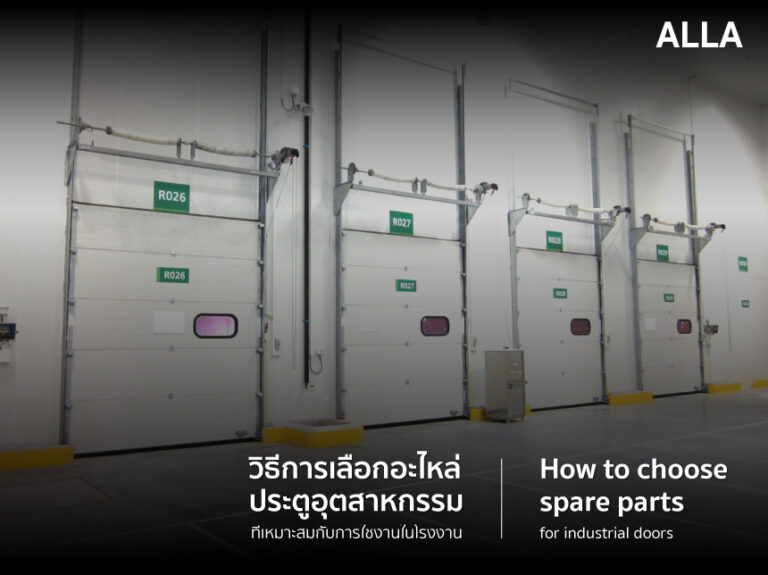
The right door parts keep factory operations smooth. Check these four criteria before every order.