The Role of Crane Hoists in European Industrial Standards: Safety, Uptime and TCO
Short answer: European factories place special emphasis on crane hoists because of stringent safety regulations, the need to avoid downtime in automated, continuous production, and a focus on total cost of ownership (TCO) rather than purchase price.
Three driving factors
1. Zero accident culture
- Regulatory compliance: hoists must meet rigorous international safety benchmarks.
- Layered protection: overload protection, dual limit switches and high-reliability brakes reduce the risk of dropped loads.
2. Maximum uptime
European plants rely on automation and continuous flow, so a single hoist failure can stop an entire line. Reliable hoists reduce emergency repairs and make output predictable.
3. Total cost of ownership
Premium hoists cost more upfront, but maintenance, spare parts and energy efficiency over a multi-decade service life make them better value.
Summary
| Factor | What European plants need | Hoist feature that delivers it |
|---|---|---|
| Safety | Zero accidents | Layered protection, international standards |
| Continuity | Maximum uptime | High reliability, fewer breakdowns |
| Value | Low TCO | Long life, energy efficiency |
Frequently Asked Questions
How do European crane standards differ?
They feature more advanced safety systems, fatigue-resistant materials, precision control and better energy efficiency.
Does ALLA provide after-sales support for crane systems?
Yes, end-to-end, including preventive maintenance.
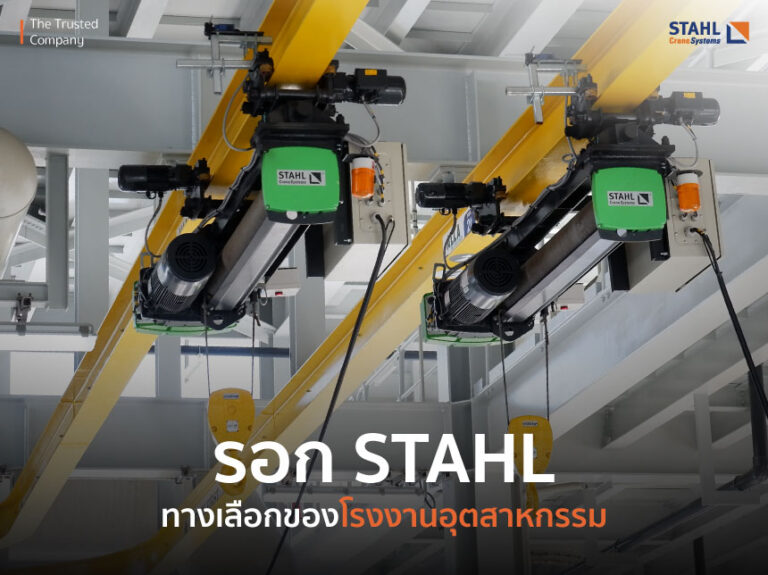
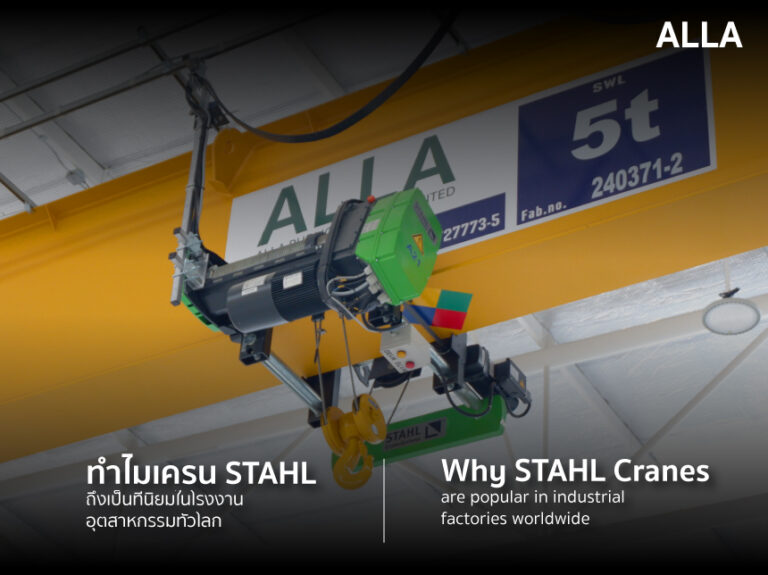
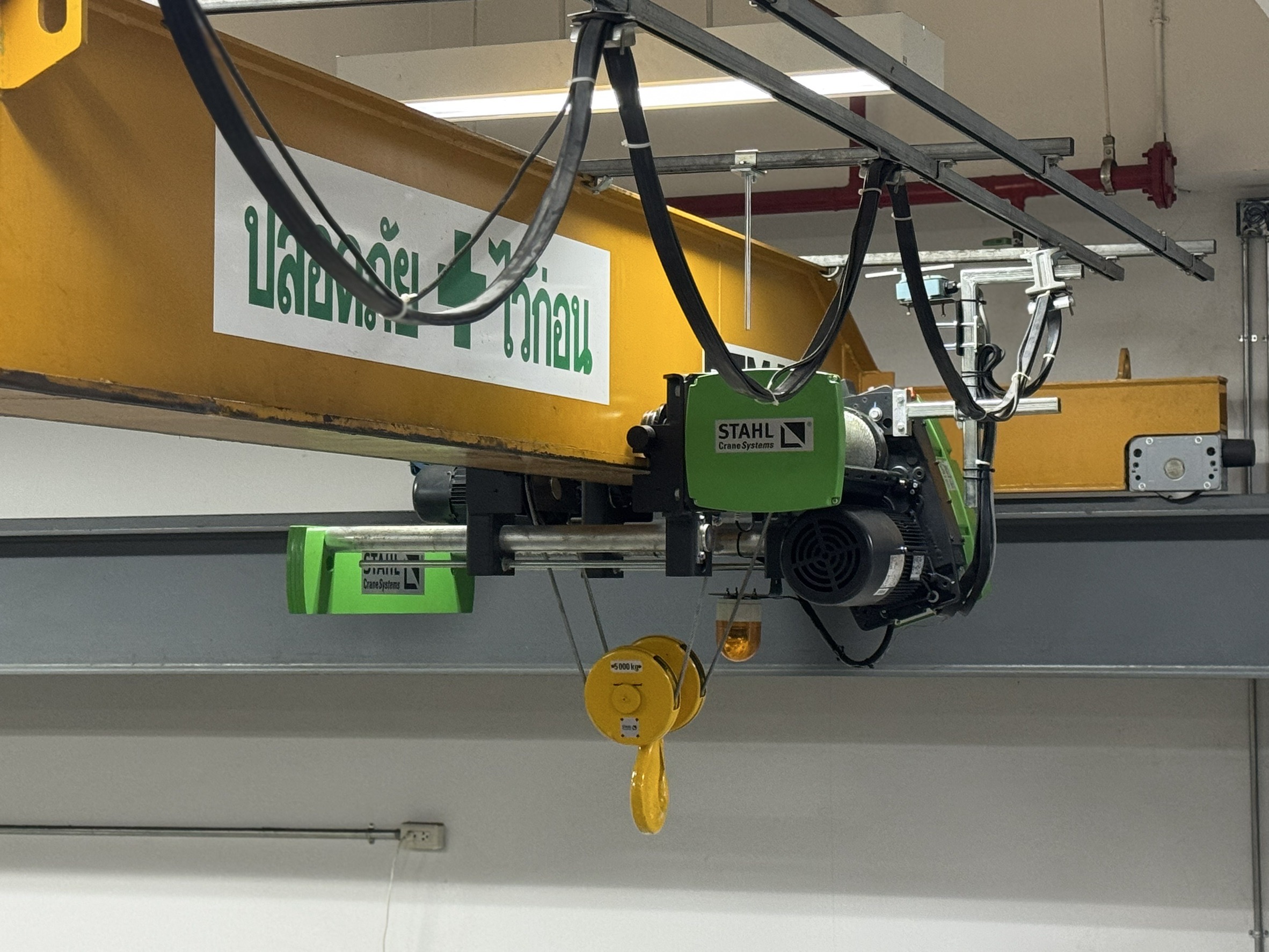
ALLA designs, installs and maintains crane and hoist systems to the standards of leading factories. See lifting solutions or STAHL hoists.